
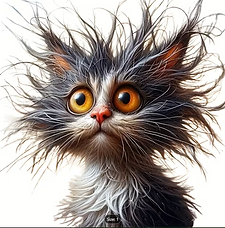
Adopting Maine Coon Kittens: A Complete Guide
Bringing a new kitten into your home is an exciting adventure, especially when it comes to the charming and majestic Maine Coon breed. Known for their large size, tufted ears, and friendly disposition, Maine Coons are one of the most popular cat breeds in the world. If you’re considering adopting a Maine Coon kitten, this guide will provide you with everything you need to know to ensure a smooth transition for both you and your new furry friend.

Understanding the Maine Coon Breed
History and Origin
Maine Coons are one of the oldest natural breeds in North America, believed to have originated in the United States, specifically in the state of Maine. Their history is steeped in folklore, with various legends attributing their origins to long-haired domestic cats and raccoons, which is where they get their name. Despite these myths, the breed is recognized for its unique characteristics and gentle temperament.
Physical Characteristics
Maine Coons are known for their impressive size and physical features:
Size: They are one of the largest domesticated cat breeds, with males typically weighing between 13 to 18 pounds and females ranging from 8 to 12 pounds.
Fur: Their thick, water-repellent fur is designed to keep them warm in cold climates. They have a ruff of fur around their neck, bushy tails, and tufted ears.
Eyes: Maine Coons have large, expressive eyes that can be green, gold, or copper in color.
Temperament
Maine Coons are often described as "gentle giants." They are known for their friendly, affectionate nature and are great companions for families and individuals alike. They tend to get along well with children and other pets, making them an excellent choice for multi-pet households.
Preparing for Your New Kitten
Creating a Safe Environment
Before bringing your Maine Coon kitten home, it’s essential to prepare your living space. Here are some steps to ensure a safe and welcoming environment:
Kitten-proof your home: Remove any hazardous items, such as toxic plants, small objects that can be swallowed, and electrical cords.
Designate a space: Set up a cozy area with a bed, litter box, food and water dishes, and toys. This will help your kitten feel secure in their new surroundings.
Essential Supplies
Investing in the right supplies is crucial for your kitten's well-being. Here’s a checklist of items you’ll need:
Food and water bowls: Choose shallow, easy-to-clean bowls.
High-quality kitten food: Look for food specifically formulated for kittens, as they require more nutrients for growth.
Litter box and litter: A litter box should be easily accessible, and choose a litter that is safe for kittens.
Scratching post: Maine Coons love to scratch, so providing a scratching post will help protect your furniture.
Toys: Interactive toys will keep your kitten entertained and stimulate their natural hunting instincts.
The Adoption Process
Finding a Reputable Breeder or Shelter
When adopting a Maine Coon kitten, it’s essential to find a reputable source. Here are some tips:
Research breeders: Look for breeders who are registered with cat associations and have a good reputation. Visit their facilities to see the living conditions of the kittens.
Consider shelters: Many Maine Coons end up in shelters. Adopting from a shelter not only gives a cat a second chance but can also be more affordable.
Questions to Ask
When meeting a breeder or shelter staff, don’t hesitate to ask questions. Here are some important ones:
What is the kitten's health history?
Are the parents on-site, and can I meet them?
Has the kitten been socialized with other pets and people?
Bringing Your Kitten Home
The First Few Days
The initial days after bringing your kitten home are crucial for their adjustment. Here’s how to help them settle in:
Give them space: Allow your kitten to explore their new environment at their own pace. Avoid overwhelming them with too much attention.
Establish a routine: Consistency is key. Set regular feeding times and play sessions to help your kitten feel secure.
Socialization and Training
Maine Coons are intelligent and eager to please, making them relatively easy to train. Here are some tips for socialization and training:
Introduce them to different environments: Gradually expose your kitten to various rooms and sounds in your home to help them acclimate.
Positive reinforcement: Use treats and praise to reward good behavior during training sessions.
Health and Care
Regular Veterinary Check-ups
Regular veterinary visits are essential for your kitten’s health. Here’s what to expect:
Vaccinations: Ensure your kitten receives all necessary vaccinations to protect them from common feline diseases.
Spaying or neutering: Discuss the best time to spay or neuter your kitten with your veterinarian.
Nutrition and Diet
Feeding your Maine Coon kitten a balanced diet is vital for their growth and development. Consider the following:
High-quality kitten food: Look for brands that list meat as the first ingredient and avoid fillers.
Portion control: Follow the feeding guidelines on the food packaging, adjusting as necessary based on your kitten’s growth and activity level.
Grooming Your Maine Coon
Coat Care
Maine Coons have long, thick fur that requires regular grooming. Here’s how to keep their coat healthy:
Brushing: Brush your kitten’s fur at least once a week to prevent matting and reduce shedding.
Bathing: While Maine Coons are generally good at grooming themselves, occasional baths may be necessary if they get particularly dirty.
Nail Trimming and Ear Cleaning
Regular maintenance is essential for your kitten’s overall health:
Nail trimming: Trim your kitten’s nails every few weeks to prevent overgrowth and injury.
Ear cleaning: Check your kitten’s ears regularly for dirt and wax buildup, cleaning them gently with a vet-recommended solution.
Understanding Behavior
Common Maine Coon Behaviors
Maine Coons are known for their playful and curious nature. Here are some behaviors you might observe:
Vocalization: They are known to be quite vocal, often communicating with a variety of sounds.
Playfulness: Maine Coons retain their playful nature well into adulthood, enjoying interactive play sessions.
Addressing Behavioral Issues
If your kitten exhibits any behavioral issues, consider these strategies:
Redirecting: If your kitten is scratching furniture, redirect them to a scratching post.
Consulting a professional: If behavioral problems persist, consult a veterinarian or animal behaviorist for guidance.
Conclusion
Adopting a Maine Coon kitten can be a rewarding experience filled with love and companionship. By preparing your home, understanding their needs, and providing proper care, you can ensure a happy and healthy life for your new furry friend. Remember, patience and consistency are key as you embark on this exciting journey together. Embrace the joy that comes with having a Maine Coon in your life, and enjoy every moment with your new companion!


Comments